

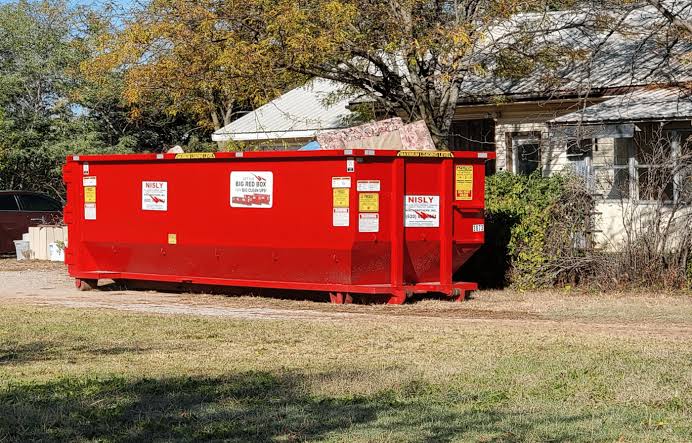
Construction projects in dense urban cores, historic districts, downtown corridors, and mixed-use neighborhoods rarely have the luxury of open staging space. In these environments, placing a temporary dumpster is not simply a logistical decision. It is a regulated activity that intersects with municipal codes, right-of-way policies, traffic management rules, and public safety standards.
For contractors operating in permit-restricted zones, temporary dumpster rentals require deliberate planning, documentation discipline, and consistent oversight. When handled correctly, waste logistics support steady jobsite flow. When treated casually, they can result in fines, stop-work disruptions, forced relocations, and reputational risk with local authorities.
Understanding how right-of-way regulations affect dumpster placement is essential for maintaining operational stability in highly regulated environments.
Understanding What Qualifies as a Right-of-Way
A public right-of-way typically includes streets, sidewalks, curb lanes, alleys, and publicly controlled access corridors. In urban areas, even what appears to be “unused” curb space is often classified as public right-of-way.
Placing a dumpster in these areas constitutes temporary occupation of public infrastructure. Municipalities view this as a regulated encroachment that requires authorization.
Common scenarios include:
- Street placement in front of attached townhomes
- Alley positioning behind mixed-use buildings
- Sidewalk-adjacent placement during façade upgrades
- Partial curb-lane occupation during interior commercial renovations
Contractors who assume curb space is automatically available often discover that enforcement is active and complaint-driven. What appears to be open space may still require formal approval.
Why Municipalities Regulate Dumpster Placement
Local governments regulate right-of-way use to protect several priorities:
- Traffic flow and emergency access
- Pedestrian safety and ADA compliance
- Street surface integrity
- Public visibility and aesthetics
- Utility access and infrastructure protection
Temporary dumpsters can obstruct fire lanes, narrow travel corridors, or block underground utility access points. Regulations are designed to prevent these disruptions.
For contractors, understanding the rationale behind the rules improves compliance and communication with permitting offices.
Permit Requirements Vary by Municipality
There is no standardized national permit framework for dumpster placement. Requirements differ significantly by city, and sometimes by district within the same city.
Permit conditions may address:
- Maximum placement duration
- Approved container dimensions
- Distance from intersections and fire hydrants
- Required safety markings and reflective tape
- Minimum pedestrian clearance width
- Time-of-day restrictions for delivery and pickup
In some municipalities, permits are processed quickly. In others, review periods may extend several days or longer, particularly in historic or high-traffic districts.
Contractors who do not account for permit processing time risk delaying demolition or debris-generating phases.
Duration Limits Create Scheduling Pressure
Right-of-way permits often include strict duration caps. A dumpster may be authorized for a defined number of days, with renewal required for extensions.
Short-term permits are common in high-density zones where cities aim to minimize prolonged obstruction of public space. If projects extend unexpectedly, contractors must track expiration dates carefully.
Failure to renew permits can result in:
- Fines
- Immediate removal orders
- Revocation of future permit privileges
Managing permit timelines is therefore a scheduling discipline, not just an administrative task.
Placement Impacts Traffic and Pedestrian Flow
In permit-restricted zones, dumpster placement must preserve safe passage for both vehicles and pedestrians.
Municipal requirements often include:
- Maintaining a minimum sidewalk clearance width
- Installing traffic cones or barricades
- Applying reflective tape for nighttime visibility
- Avoiding bus stops or loading zones
Improper placement not only risks citations but may create liability exposure if an accident occurs.
Contractors should evaluate how placement affects:
- Delivery truck maneuvering
- Emergency vehicle routes
- Public transit lanes
- Adjacent business access
Balancing job site convenience with public safety obligations is critical.
Weight Limits and Street Protection
Public streets and sidewalks are not designed to withstand prolonged concentrated loads. Heavily loaded dumpsters, particularly those containing masonry, roofing debris, or wet demolition materials, can stress pavement surfaces.
In some jurisdictions, contractors are held financially responsible for:
- Asphalt cracking
- Sidewalk settlement
- Curb damage
Mitigation strategies may include:
- Using protective boards beneath containers
- Selecting reinforced pavement sections
- Monitoring load weight proactively
Evaluating pavement conditions before placement helps prevent disputes and repair claims.
Documentation and On-Site Verification
Permit-restricted placements typically require documentation to be available on-site for inspection.
Inspectors may request:
- Active permit confirmation
- Approved placement diagrams
- Proof of renewal for extended projects
- Evidence of compliance with signage requirements
On multi-phase projects, documentation should be reviewed regularly. Conditions may change as scaffolding, fencing, or temporary walkways are added.
Organized documentation prevents avoidable citations during routine inspections.
Coordination with Municipal Calendars
In dense urban zones, public-space usage is influenced by city schedules and events.
Examples include:
- Street-cleaning days requiring temporary relocation
- Parade routes restricting placement
- Holiday markets or public events
- Peak-hour construction bans
Failing to integrate municipal calendars into waste planning can result in forced container movement or service delays.
Coordinated scheduling reduces operational friction.
Limited Access Windows for Hauling
Some cities restrict dumpster delivery and pickup to specific hours to reduce congestion. Early morning or late evening access windows are common in high-traffic districts.
These restrictions influence:
- Debris generation pacing
- Trade sequencing
- Container swap timing
If haul access is missed, debris may accumulate, slowing active work. Aligning hauling schedules with permitted windows supports uninterrupted progress.
Complaint-Driven Enforcement Is Common
In highly visible urban areas, enforcement activity is often triggered by complaints from neighbors, adjacent businesses, or pedestrian groups.
Overflowing containers, obstructed sidewalks, or missing safety markings can prompt inspection visits. Maintaining tidy containers and adhering strictly to permit terms reduces exposure to complaint-driven enforcement.
Professional presentation protects both compliance and community relationships.
Multi-Municipality Complexity
Contractors operating across multiple cities face compounded regulatory variation. Each municipality may require different:
- Permit application formats
- Fee structures
- Insurance documentation
- Duration limits
Without centralized coordination, compliance practices can fragment across projects.
Industry discussions frequently reference services such as Temporary Dumpster when examining how contractors manage right-of-way compliance across diverse jurisdictions while maintaining consistent operational oversight.
Centralization reduces variability and administrative burden.
Risk Management and Insurance Considerations
Improper placement in right-of-way areas can create liability exposure. Incidents involving pedestrian injury, vehicle damage, or infrastructure impact may implicate both contractors and property owners.
Insurance carriers may require proof of permit compliance and documented safety measures. Failure to maintain documentation can complicate claims.
Viewing dumpster placement as a risk management function improves long-term stability.
Integration with Overall Site Logistics
Permit-restricted placement should be integrated into broader site logistics planning.
Key considerations include:
- Coordination with fencing and scaffolding
- Maintaining emergency egress routes
- Aligning waste flow with material deliveries
- Preventing obstruction of utility access points
Waste logistics cannot operate in isolation from other site functions.
Common Mistakes in Permit-Restricted Areas
Recurring errors include:
- Scheduling delivery before permit approval
- Underestimating permit processing timelines
- Ignoring required safety markings
- Placing containers too close to intersections
- Failing to track permit renewals
- Assuming rules are consistent across cities
These mistakes often stem from treating waste placement as routine rather than regulated.
Integrating Permit Strategy into Pre-Construction Planning
Dumpster placement in public space should be addressed during pre-construction planning, not after demolition begins.
Best practices include:
- Verifying municipal requirements early
- Allocating buffer time for approvals
- Mapping compliant placement locations
- Coordinating haul schedules with traffic restrictions
- Establishing documentation tracking systems
Proactive integration prevents mid-project corrections that disrupt schedules.
Why Compliance Protects Project Stability
Noncompliance in permit-restricted zones can result in immediate operational consequences. Forced container removal halts debris-generating work and may delay inspections or subcontractor sequencing.
In tightly scheduled projects, even short disruptions cascade into extended delays.
Compliance discipline preserves stability and protects project timelines.
Temporary dumpster rentals in permit-restricted zones and right-of-way areas require more coordination than placements on private property. Municipal permits, duration limits, safety requirements, traffic considerations, and documentation standards all shape how waste logistics must be executed.
For contractors working in regulated public spaces, integrating right-of-way compliance into pre-construction planning reduces risk, protects schedules, and preserves professional credibility. When approached with structure and oversight, temporary dumpster logistics can operate smoothly even within the most tightly controlled municipal environments.
Continue reading below
Our Featured Videos

